01Layered Lighting Is Functional LightingA single overhead light in the center of a kitchen leaves countertops in shadow — the cook stands between the light and the work surface. Layered lighting uses recessed ceiling fixtures for ambient light, under-cabinet lights for countertop task light, and pendant or decorative fixtures for visual interest. Each layer serves a different function, and each should be on a separate dimmer circuit.
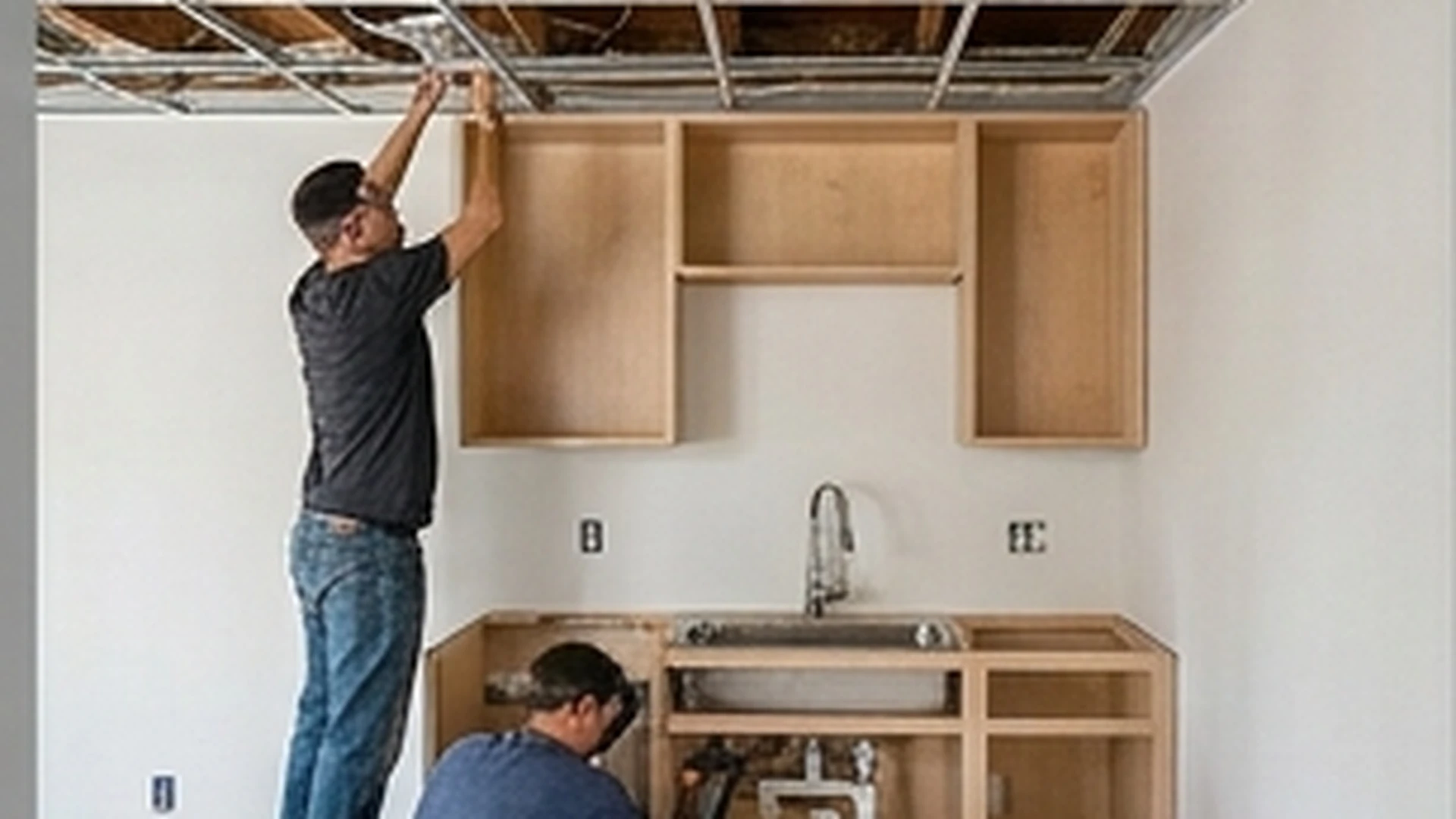
02Location Decisions Before Walls CloseRecessed fixture locations, under-cabinet lighting wiring runs, and pendant rough-in boxes are all planned before walls close during a kitchen remodel. Adding recessed lights after drywall is up requires fishing wire through walls and ceilings — possible, but significantly more labor-intensive. Planning lighting early and running wire during rough-in produces a better result at lower cost.
03Dimmer CompatibilityLED fixtures require dimmers specifically rated for LED loads. A standard incandescent dimmer on an LED fixture produces flicker or buzzing and may damage the LED driver. Dimmer and fixture compatibility is checked before installation. Recessed, pendant, and under-cabinet fixtures often have different dimmer requirements — all confirmed before any switch is wired.
Under-Cabinet Lighting: Hardwired vs. Plug-In
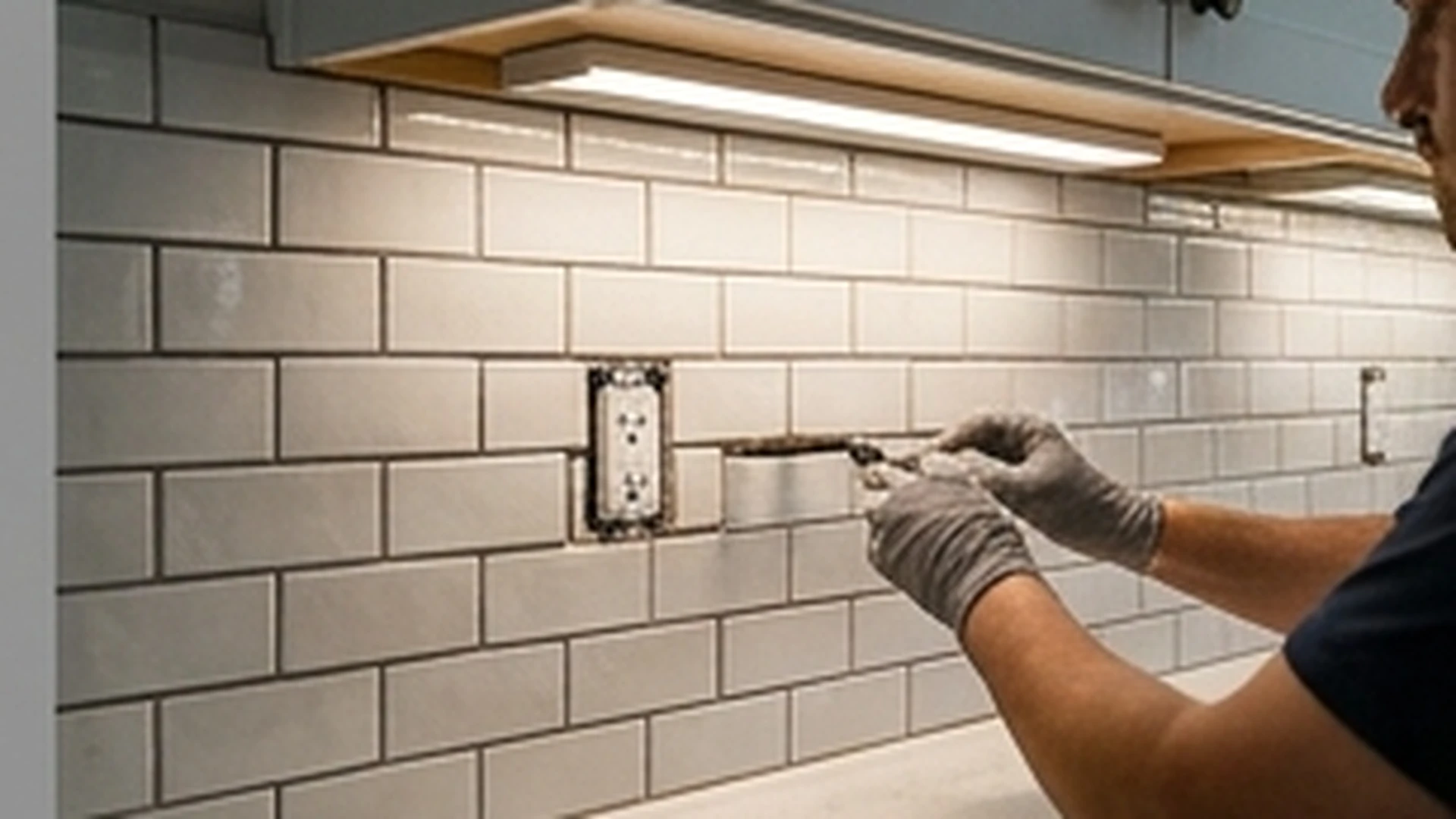
Plug-in under-cabinet lights are visible (the cord runs down to an outlet), which looks cluttered in a finished kitchen. Hardwired under-cabinet lighting hides the wire run in the wall above the cabinets and produces a clean installation with no visible cords. Hardwired requires an electrician during rough-in to run a wire from the switch location to above the upper cabinets. If a remodel is happening, hardwired lighting is significantly easier to add during rough-in than after walls close.
Recessed Light Spacing
A standard guideline for recessed light spacing in a kitchen is to place fixtures approximately half the ceiling height from each other. In an 8-foot ceiling kitchen, fixtures spaced 4 feet apart cover the room evenly without hot spots or dark gaps. Fixtures placed too close to walls create scalloping effects on the wall surface — recessed lights should be at least 2 feet from the wall. The spacing plan is drawn before any fixtures are installed.
Pendant Lights Over the Island
Pendant lights over a kitchen island should hang so the bottom of the fixture is 30-36 inches above the countertop. Multiple pendants are spaced 24-30 inches apart and centered on the island. The pendant size and shape should be proportional to the island — a large island with a small single pendant looks unbalanced. A 36-inch-wide island typically works well with two 6-8 inch pendants. A 72-inch island can support two to three larger pendants.
Lighting in Older Frederick Homes
Older Frederick homes — particularly pre-1960 construction — often have knob-and-tube wiring in the ceiling that complicates adding new recessed fixtures. Recessed housings require connection to the electrical system, and knob-and-tube circuits can't be extended with modern wire without a licensed electrician's assessment and often full circuit replacement. We identify this during planning so the electrical scope and budget are realistic before committing to a lighting layout that requires ceiling wire runs.