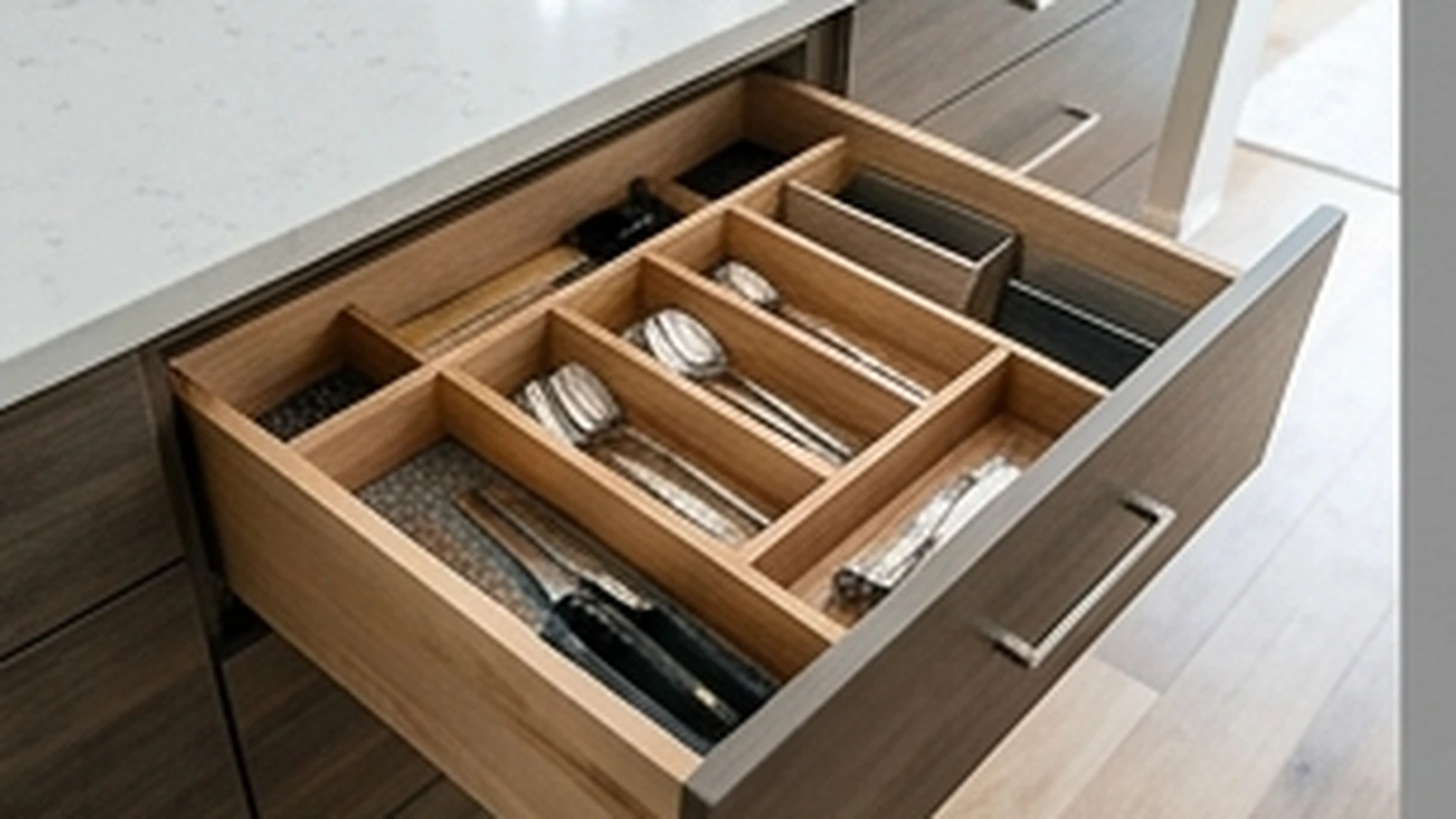
Peninsula as an Alternative to an Island
A peninsula is a cabinet run attached to the wall at one end. It requires 42-inch clearance on only the open sides — typically two sides rather than four. In a kitchen that doesn't have room for a freestanding island, a peninsula can add prep surface and seating without the clearance demands. Peninsulas also don't require floor anchoring the same way a freestanding island does, and plumbing for a peninsula sink is usually simpler because one end connects to the wall.
Island Seating Heights
Kitchen island seating comes in two heights: counter height (36 inches, standard counter stool height) and bar height (42 inches, bar stool height). Counter height seating is comfortable for eating and working. Bar height is more casual and works well with an island that has a raised breakfast bar section. The choice affects the island height, which affects the countertop material selection if a raised bar section requires a different countertop profile than the main working surface.
Butcher Block Island Tops
Butcher block is a popular island countertop choice because it's warm, softens the look of a kitchen with stone perimeter countertops, and is a good prep surface for tasks that benefit from a wooden cutting surface. Butcher block requires oiling maintenance and is not as heat-resistant or stain-resistant as stone or quartz. On an island where it's paired with stone perimeter countertops, butcher block creates a clear visual and functional zone for prep vs. cooking.
Electrical on the Island
Kitchen island outlets require GFCI protection in Maryland. If the island has a sink, the outlets are within 6 feet of the sink and GFCI is required regardless. Island outlets are typically installed in the end panel of the island or, for a more integrated look, in a pop-up outlet that recesses flush with the countertop when not in use. The pop-up option requires a slightly thicker countertop substrate to accommodate the unit — this is coordinated during countertop planning.