01Counter Height Is a Design DecisionStandard kitchen counter height is 36 inches — designed for a standing adult of average height. For someone in a seated position or with limited standing tolerance, a lowered counter section (28-32 inches) at the primary prep area makes the kitchen usable. This requires modifying or replacing the base cabinet under the lower section and adjusting the countertop height accordingly. It's a planned decision, not a retrofit.
02Clearance for Mobility AidsA kitchen designed for wheelchair or walker use requires 36-inch clear width in the primary traffic path and a 60-inch turning radius in the main work area. Many Frederick kitchens don't have this clearance with existing cabinet layouts. Achieving it may require reconfiguring the cabinet layout, removing a peninsula, or accepting that the kitchen functions for one person at a time. We assess what's possible in the existing footprint.
03Hardware Details That MatterLever-style faucet handles (operable with a closed fist or forearm), D-pull cabinet hardware (no knobs that require pinch grip), soft-close cabinet doors and drawers, and touch-latch or push-to-open mechanisms for cabinets in tight spaces are small choices that significantly affect usability for people with limited grip strength or hand dexterity. These are specified during the design phase, not changed after installation.
Knee Clearance Under the Sink
A sink that's usable from a seated position requires at least 27 inches of clear height and 30 inches of clear width under the sink — enough for knee clearance while seated in a wheelchair or chair. This requires a different base cabinet than standard: either an open base with no cabinet, or a removable base cabinet door that creates the knee space. The drain and supply lines under a knee-clearance sink are routed to the back and sides to keep the knee space clear. Insulation on the supply pipes prevents contact burns.
Pull-Out Shelves in Base Cabinets
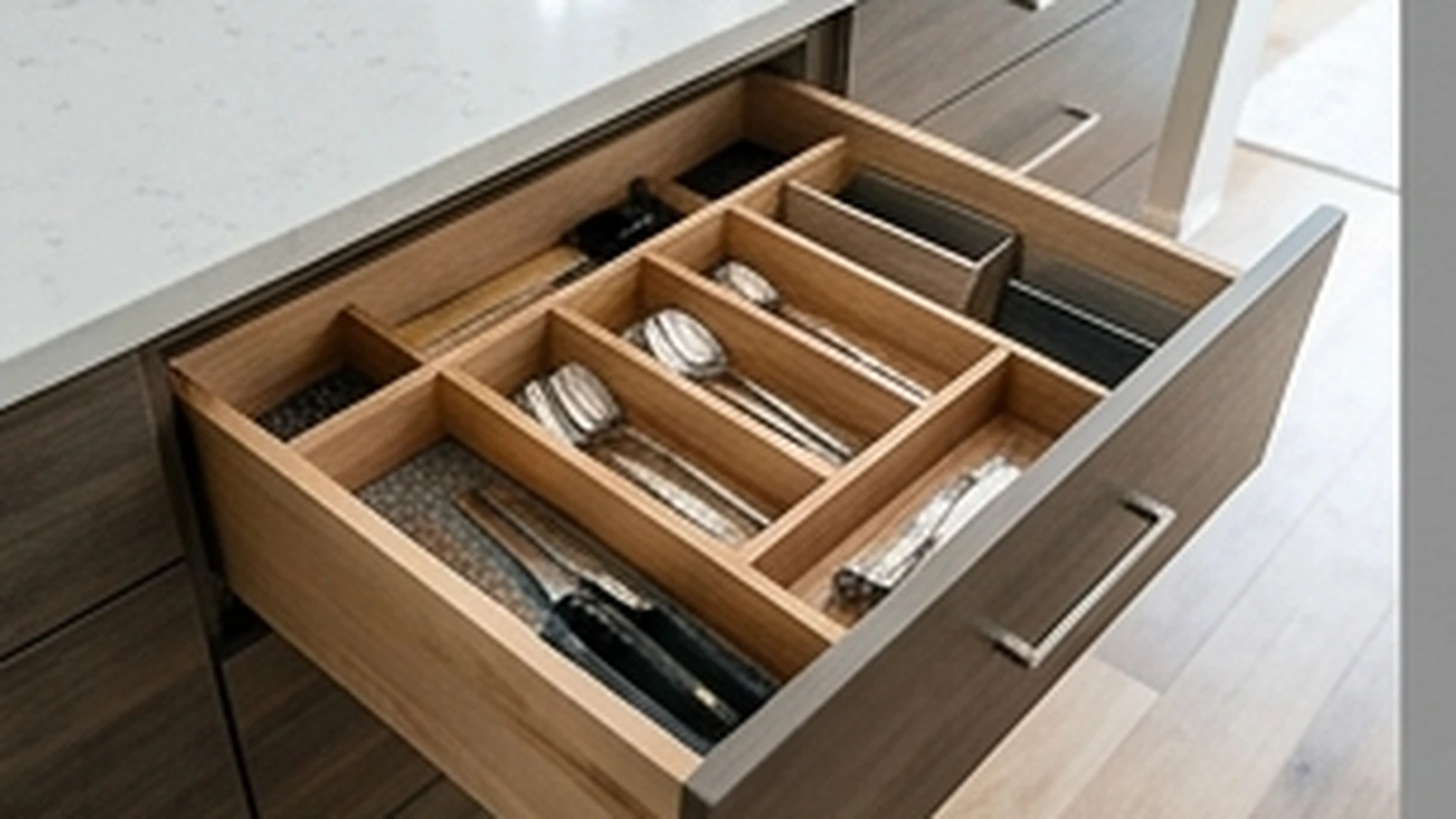
Standard base cabinet shelving requires crouching and reaching to the back of the cabinet — difficult for people with limited mobility. Full-extension pull-out shelves bring the back of the cabinet to the front when the drawer is pulled out. Pull-out shelves can be retrofitted into existing cabinet boxes or specified in new cabinet orders. For a base cabinet at the sink area or under the primary prep counter, full-extension heavy-duty pull-outs are more usable than lazy Susans or fixed shelves.
Stove Safety for Aging-in-Place Kitchens
Induction cooktops are often recommended for aging-in-place kitchens: the cooking surface doesn't get hot (only the pan does), reducing burn risk. Controls mounted at the front of the cooktop are accessible without reaching over hot burners. A wall oven at a higher position eliminates bending to a floor-level oven — the oven door opens at a height where the homeowner can see and access the contents without bending. These appliance choices are part of the design phase.
Planning for Future Needs vs. Current Needs
An aging-in-place kitchen remodel that's done for someone who doesn't currently use a wheelchair but may in the future can incorporate blocking in walls for future grab bar installation, rough-in for a future lower counter section, and a floor plan that allows for wheelchair access without requiring cabinet removal. Designing these features in now — even if they're not activated immediately — is far less expensive than retrofitting them later when the need is urgent.