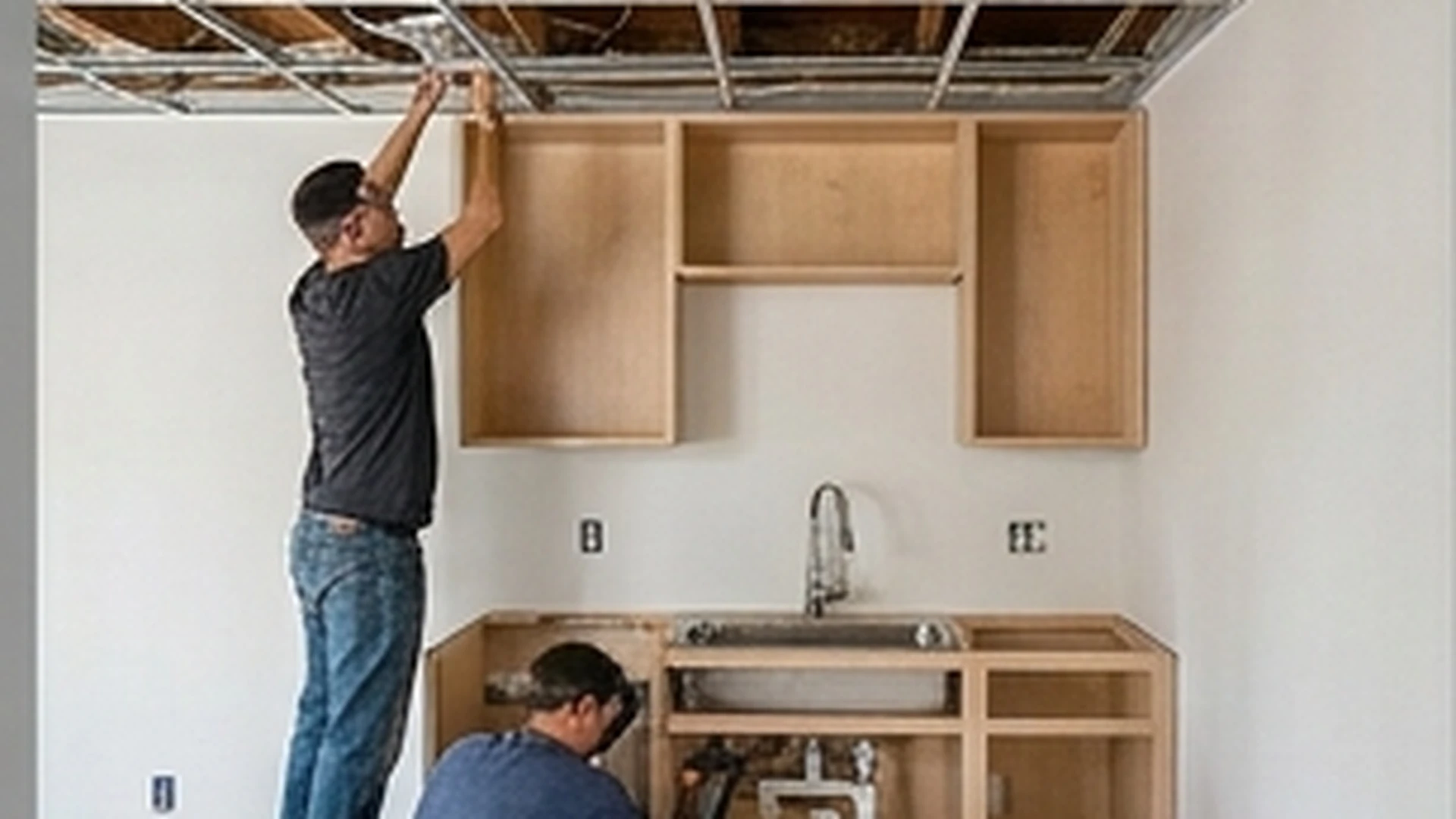
01Appliances Define the LayoutThe positions of the sink, range, and refrigerator define the kitchen triangle — the three points of primary kitchen activity. The distances between them determine how much unnecessary movement happens during cooking. Cabinet layout fills the spaces between these fixed points. Getting appliance positions right first, then designing the cabinet layout around them, produces a better kitchen than choosing cabinets and then fitting appliances in where they'll go.
02Clearance Requirements MatterA refrigerator door needs clearance to fully open without hitting the adjacent cabinet or wall. A range requires minimum clearances to combustibles on both sides and above. A dishwasher door needs to open fully into the kitchen traffic path. These clearances are manufacturer-specified and code-required. Designing a cabinet layout without the appliance installation manuals produces cabinets that don't fit the appliances correctly.
03Appliances Must Be Specified Before Cabinet OrderCabinet opening widths, heights, and depths are built around specific appliance dimensions. The refrigerator opening is built for the actual refrigerator being purchased. The range opening accommodates the actual range width. Ordering cabinets before appliance specifications are confirmed is a common source of expensive cabinet modifications later in the project.
Counter-Depth vs. Standard-Depth Refrigerators
Standard refrigerators are 28-34 inches deep — they protrude past a 24-inch cabinet run by 6-10 inches. Counter-depth refrigerators (approximately 24-27 inches deep) sit flush with or just behind the cabinet face, creating a built-in look. Counter-depth models hold less and cost more. In a kitchen where the refrigerator position creates a traffic obstacle when the doors open, counter-depth may be worth the price. In a kitchen with adequate clearance, standard-depth may be the better value.
Gas vs. Electric Range Planning
Gas and electric ranges require different rough-in. Gas requires a 1/2-inch gas supply line with a shutoff valve near the range position. Electric requires a dedicated 240V, 50-amp circuit. Switching from gas to electric (or vice versa) requires the new supply to be run — a gas line addition or an electrical rough-in addition — before cabinets are installed. The fuel type decision should be made during the planning phase, before rough-in begins.
Appliance Size and Cabinet Opening Tolerances
Appliance opening tolerances in cabinet design are tight. A 30-inch range opening should be 30 inches — not 29.5 inches (doesn't fit) or 31 inches (visible gap). Manufacturers publish installation dimension requirements that specify the minimum and maximum opening widths. These dimensions are what the cabinetmaker uses to build the opening. The tolerance window is typically 1/4 to 1/2 inch. Getting the appliance spec sheet to the cabinetmaker before cabinet drawings are finalized eliminates opening dimension errors.
Panel-Ready Appliance Integration
Panel-ready dishwashers and refrigerators accept a cabinet door panel on their front face — the appliance disappears into the cabinet design visually. They require slightly different cabinet planning: the panel is built as part of the adjacent cabinet run and attached to the appliance after installation. The panel thickness must be accounted for in the cabinet opening width. Panel-ready appliances cost more but produce a seamless built-in look that standard appliances can't match.