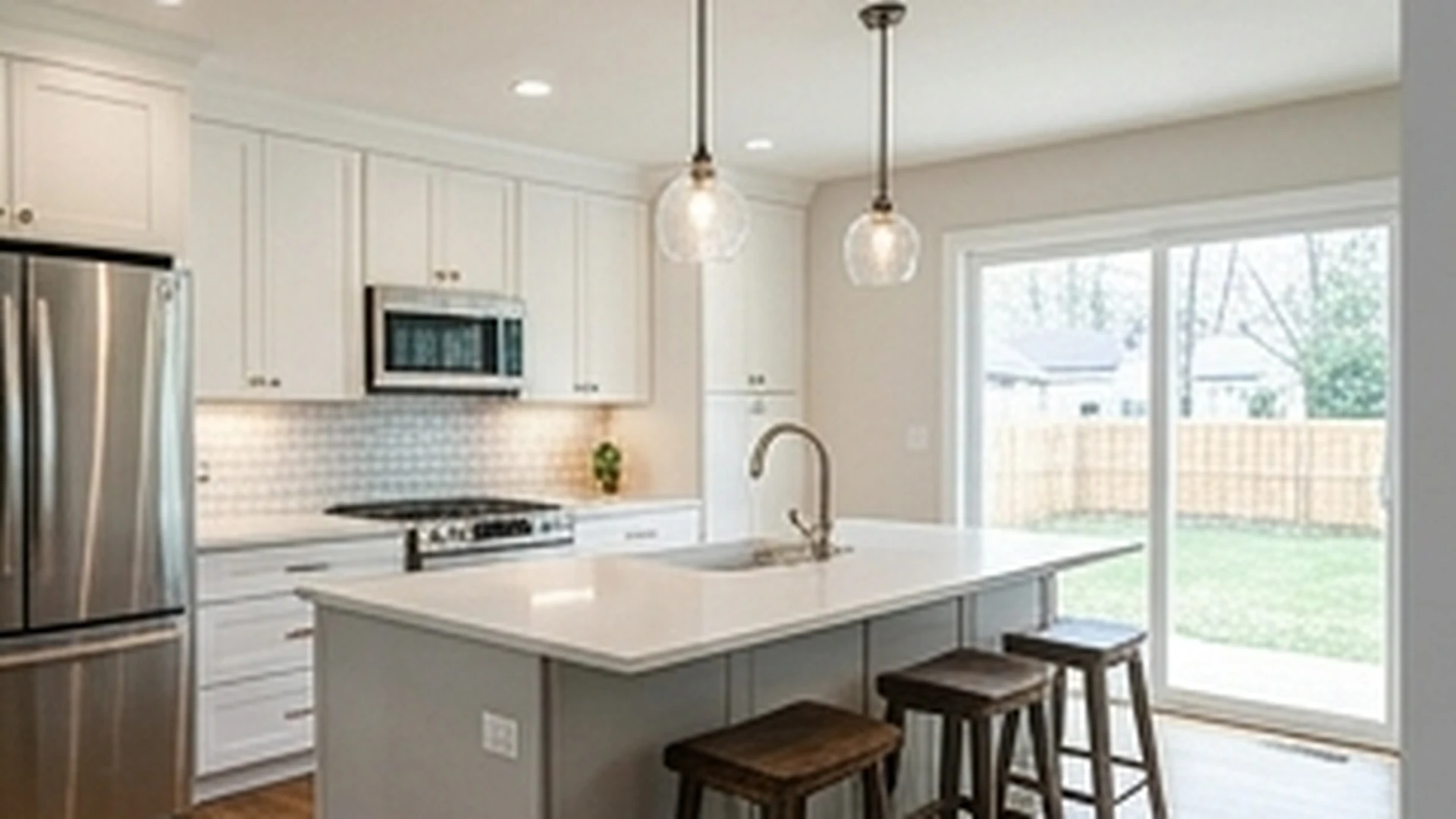
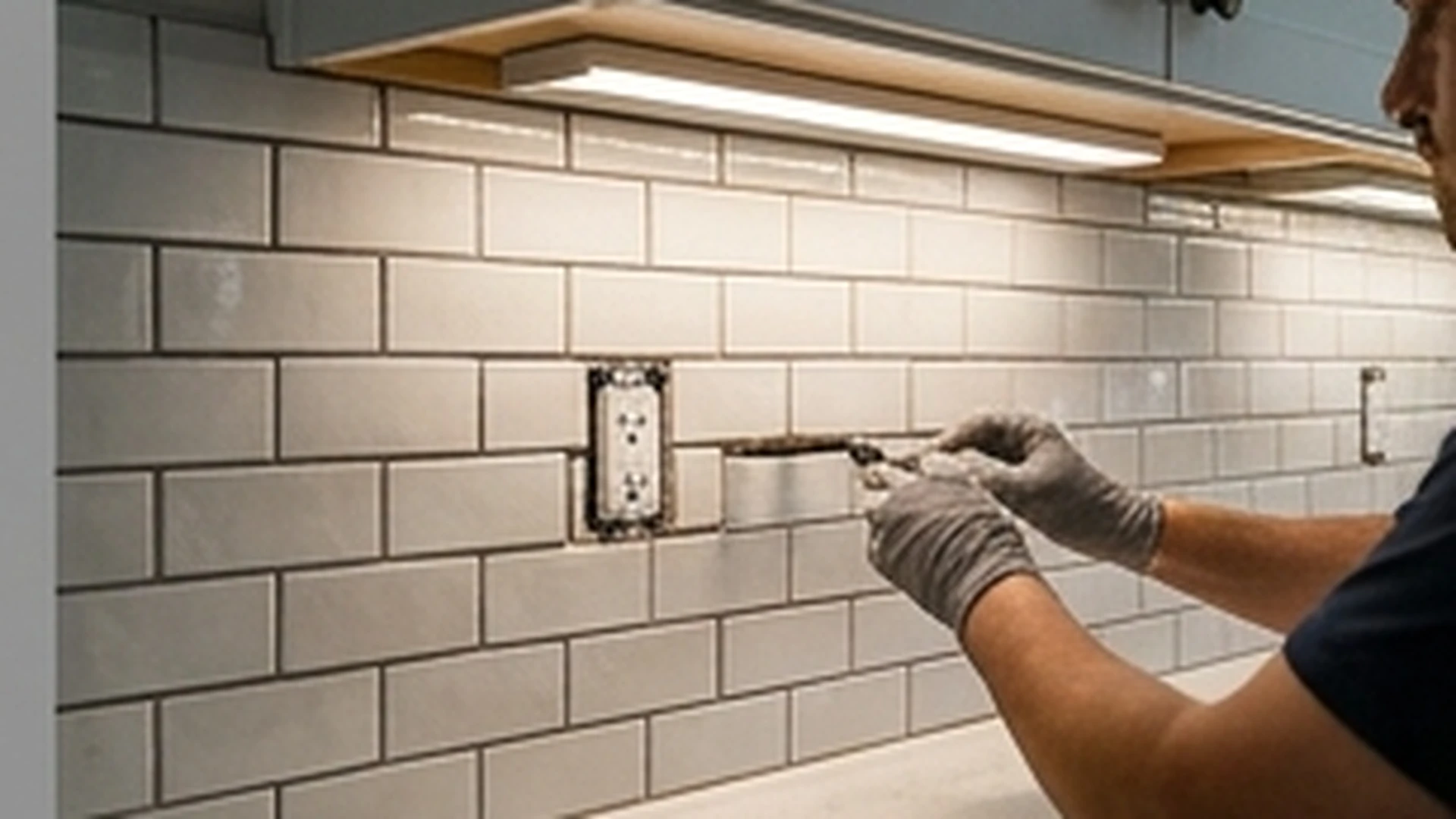
01Template After Cabinets Are SetCountertop templating happens after cabinet installation is complete and cabinets are level and shimmed — not before. A template taken from a cabinet drawing can be off by 1/4 inch to 3/4 inch by the time the actual cabinets are installed and leveled. Stone and quartz countertops are cut from the template; getting the template right is the most important step in the process.
02Seam Placement MattersOn long countertop runs, seams are unavoidable — stone and quartz slabs have a maximum size. Seam placement is a decision made during the templating visit: seams should avoid the sink, the stove, and high-traffic prep areas. A seam in an unused corner is nearly invisible in daily use; a seam across the main prep area accumulates food and moisture.
03Natural Stone vs. Engineered QuartzGranite and quartzite are natural stone — unique patterns, requires periodic sealing, varies from slab to slab. Quartz (engineered) is more consistent in appearance and doesn't require sealing. Both are durable. The choice is aesthetic and maintenance preference. Laminate is the budget option — more colors and patterns than people expect, and more durable than its reputation suggests.
Undermount vs. Drop-In Sinks
Undermount sinks mount beneath the countertop — the sink rim is hidden under the stone. They're the standard choice for stone and quartz countertops because they make counter cleanup easy and look seamless. Drop-in (top-mount) sinks have a visible rim that sits on top of the countertop — still functional, easier to retrofit into an existing countertop. Drop-in sinks are more common with laminate countertops and in situations where the sink is being replaced without a full countertop change.
Laminate Countertops: Better Than Expected
Modern laminate countertops have far more options than the basic beige of the 1990s. Current laminate lines replicate stone patterns convincingly at close range, come in matte finishes, and include integrated sink options. Post-formed laminate (one-piece countertop with a rolled front edge and backsplash) installs quickly and creates no seam at the wall. Sheet laminate over plywood substrate allows custom edge treatments. Laminate is the right choice when durability at a budget price is the priority.
Quartz vs. Granite in Frederick Homes
Quartz doesn't require sealing — granite does, typically every 1-2 years. Quartz has more consistent patterns and colors, which makes coordinating with cabinet colors and backsplash tile easier. Granite has natural variation that some homeowners prefer. Both are hard and durable. For Frederick kitchens where low maintenance is a priority, quartz is the more practical choice. For a kitchen where the countertop is a visual focal point and natural variation is desirable, granite or quartzite may be worth the additional care.
Countertop Overhang Standards
Standard countertop overhang past the cabinet face is 1 to 1.5 inches. An overhang this size prevents water from draining onto cabinet faces and provides a slight lip that makes the counter easier to clean. Island overhangs for seating are 12-15 inches on the seating side. Overhangs greater than 12 inches require support brackets or corbels — the stone cannot cantilever that far unsupported. We plan support requirements during the template visit, not after the slab is cut.