Small kitchen remodel in Frederick

Full Kitchen Remodeling

Small Kitchen Remodel in Frederick, MD

Small kitchens don't need to stay cramped. Cabinet layout, appliance selection, and lighting choices that make the most of what's there — without busting through walls or adding square footage.

01Layout Efficiency First

In a small kitchen, every inch of cabinet run and every appliance position matters. A galley layout maximizes counter space with minimal square footage. An L-shape can work well when traffic patterns allow it. Deciding which configuration fits the room before ordering cabinets determines whether the kitchen feels cramped or functional.

02Depth and Height Are Free Space

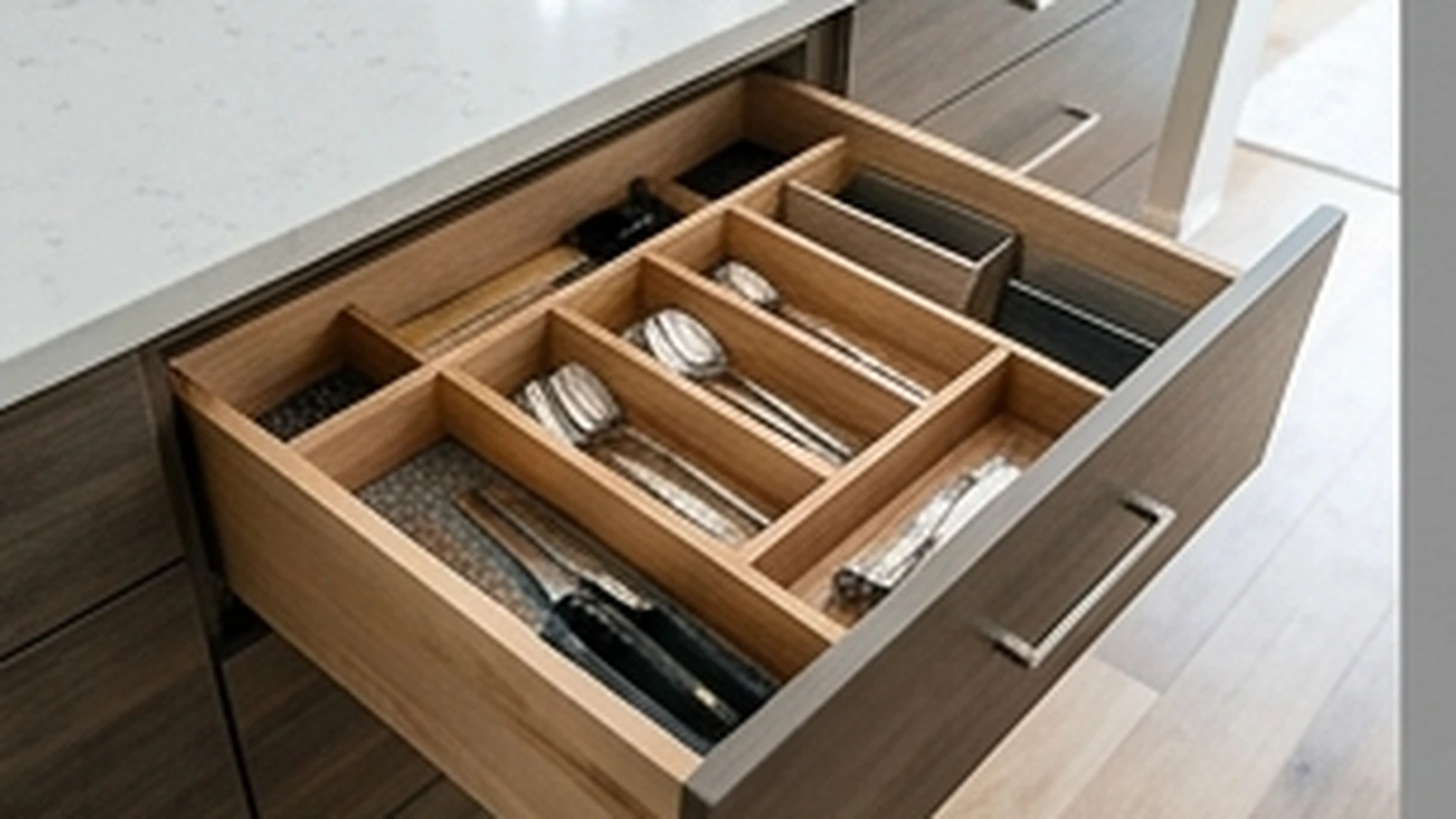
Upper cabinets that run to the ceiling rather than stopping at 84 inches add meaningful storage in a small kitchen without taking floor space. Shallow base cabinets (21 inches instead of 24) can widen a tight corridor. Drawer bases below the counter access more storage than door-and-shelf configurations.

03Appliance Size Choices

Compact and counter-depth appliances — 24-inch dishwashers, 30-inch counter-depth refrigerators, 24-inch ranges — can reclaim 3-5 inches of floor space each. These choices are made during the design phase, not after cabinets are installed, because cabinet openings are built around appliance dimensions.

Frederick Small Kitchen Remodel

What a Small Kitchen Remodel Actually Changes

Many small kitchens in Frederick — especially in older homes, rowhomes, and townhomes — suffer less from small size than from poor original design. Overhead cabinets that don't use full ceiling height. Base cabinets with shelves instead of drawers. Appliances sized for a larger space crammed into a small one. A small kitchen remodel fixes the decisions, not the square footage.

Small Kitchen Remodel Options in Frederick

The range of small kitchen remodels runs from targeted upgrades to full replacements. At the lighter end: new cabinet doors and hardware, countertop replacement, and updated lighting can transform the look without touching the layout. At the full end: all cabinets removed, new layout planned, new cabinets installed with ceiling-height uppers, new countertops, updated plumbing fixtures, under-cabinet lighting, and flooring.

Most small kitchen remodels in Frederick townhomes and older single-family homes fall somewhere in between — replacing all the cabinets and countertops while keeping the plumbing and electrical in the same locations to avoid permit-level work.

Design Moves That Work

  • Ceiling-height upper cabinets for maximum vertical storage
  • Drawer base cabinets instead of door-and-shelf lower cabinets
  • Under-cabinet lighting to brighten countertops visually
  • Light-colored or reflective backsplash to open up the space

What Doesn't Help as Much as People Think

  • Open shelving (loses storage; looks cluttered quickly)
  • Removing upper cabinets without replacing the storage elsewhere
  • A kitchen island in a room without 42-inch clearance around it
  • Full-size appliances in a compact layout
How It Works

Small Kitchen Remodel Process

1

Measure and Plan

Accurate measurements. Appliance sizes confirmed. Cabinet layout drawn. Lighting plan. All material selections made before anything is ordered.

2

Demo

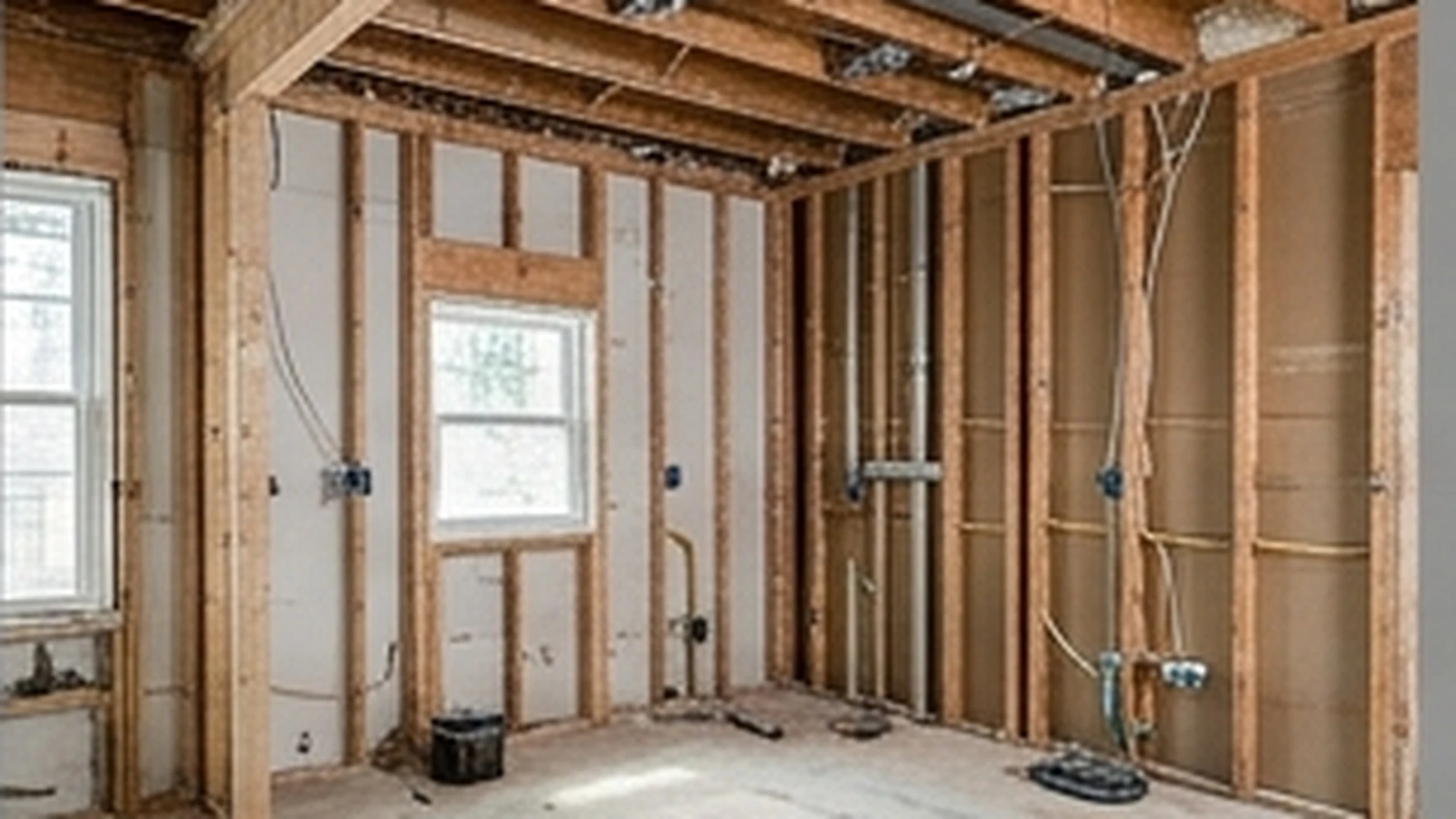
Existing cabinets removed. Surfaces stripped. Plumbing and electrical confirmed in working order before new installation begins.

3

Cabinet Install

Wall cabinets first. Base cabinets second. Shimmed level and plumb. Countertop template measured immediately after.

4

Finish and Punch List

Countertop, backsplash, lighting, flooring, hardware, and appliances. Final inspection and punch list walkthrough.

Light and Color in Small Kitchens

Light-colored cabinets and countertops make a small kitchen feel larger. High-gloss finishes reflect light; matte finishes absorb it. Under-cabinet lighting eliminates the shadow that standard overhead lighting creates on countertops. A lighter paint color on walls and ceilings helps. None of these choices are expensive, and all of them contribute more to the perceived size of the room than adding square footage.

Peninsula vs. Island in a Small Kitchen

A peninsula — a cabinet run connected to the wall at one end — can add counter space and seating in a small kitchen where a freestanding island won't fit. A peninsula requires only one clearance side. An island requires 42-inch clearance on all four sides. In most small Frederick kitchens under 120 square feet, a peninsula is feasible where an island isn't.

When to Open a Wall

Opening a wall between the kitchen and an adjacent dining room or living area is the most transformative change in a small kitchen remodel. It requires a structural assessment, permit, temporary support, beam sizing, drywall repair, and finish work on both sides. It adds cost. But in the right layout, it converts a cramped closed kitchen into a functional open-concept space. It's worth evaluating when the small kitchen is adjacent to a larger, underused room.

Townhome and Condo Kitchens

Many small kitchen remodels in Frederick occur in townhomes and condos where the kitchen layout is fixed by shared walls, plumbing chases, or HOA restrictions. We work within the existing footprint on these projects — maximizing the layout that's possible without modifications that trigger structural or HOA review. These constraints don't prevent a functional kitchen; they just define the scope.
Frederick Small Kitchen Remodel

Make Your Small Kitchen Work Better

We'll walk through the layout and tell you what's worth changing and what isn't.

Request An Estimate

Small Kitchen Remodel Questions

How much does a small kitchen remodel cost in Frederick?

A small kitchen remodel in Frederick ranges widely based on scope. Replacing cabinets and countertops in a small kitchen while keeping plumbing and electrical in place typically costs less than a full kitchen remodel with layout changes. The biggest cost variables are cabinet quality (stock vs. semi-custom), countertop material (laminate vs. quartz), and whether any plumbing or electrical work is needed.

Should I open the wall to make my small kitchen bigger?

It depends on what's on the other side and whether the wall is load-bearing. A wall between a small kitchen and a dining area is a reasonable candidate for removal if the dining area is underused and the wall is not load-bearing. We can advise on structural feasibility during a walkthrough. The cost of opening a wall (permit, temporary support, beam, drywall repair) adds to the remodel budget but may be worth it depending on the layout.

What's the fastest way to improve a small kitchen without a full remodel?

Replacing cabinet doors and drawer fronts, adding under-cabinet lighting, and replacing countertops while keeping existing cabinet boxes is the fastest path to a visible improvement without a full demo. It avoids plumbing and electrical disruption and can be completed in less time than a full cabinet replacement. Cabinet refacing is a good option when the existing box structure is sound.

Related Full Kitchen Remodeling Services