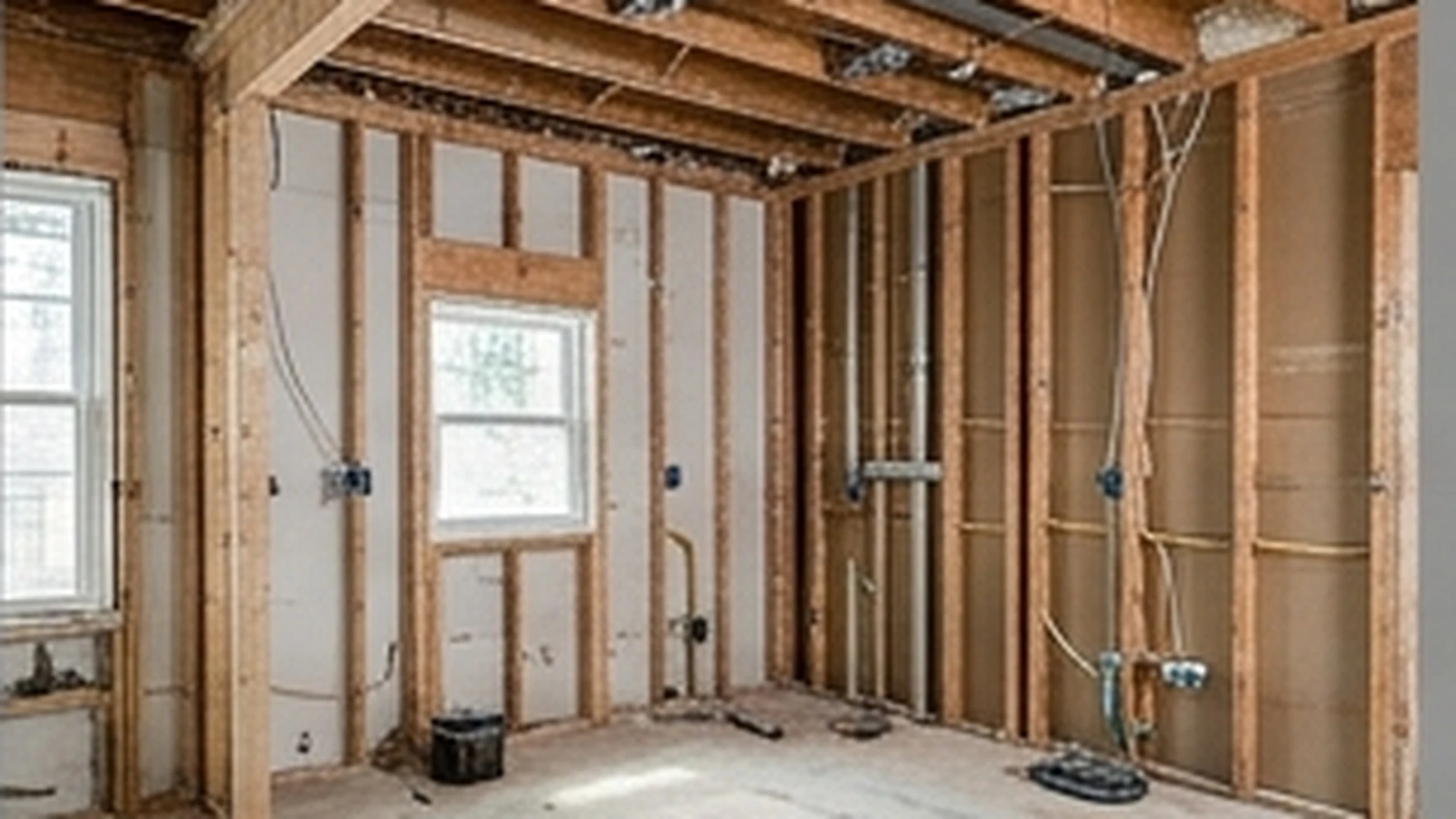
01Shared Walls Change the ScopeTownhome kitchens frequently share a wall with the adjacent unit. Structural modifications to shared walls require understanding the shared wall construction and — in some townhome communities — notification or approval from the HOA. Non-structural changes (new cabinets, countertops, tile) don't touch shared walls and have no HOA implications. We identify which elements of the planned scope affect shared walls before work begins.
02HOA Requirements for Renovation WorkMost Frederick County HOAs require advance notice before renovation work begins, specify approved contractor requirements, limit work hours, and prohibit debris staging in common areas. Some HOAs also have specific rules about plumbing and electrical modifications in shared-structure buildings. We confirm HOA requirements at the start of planning, not after a neighbor files a complaint.
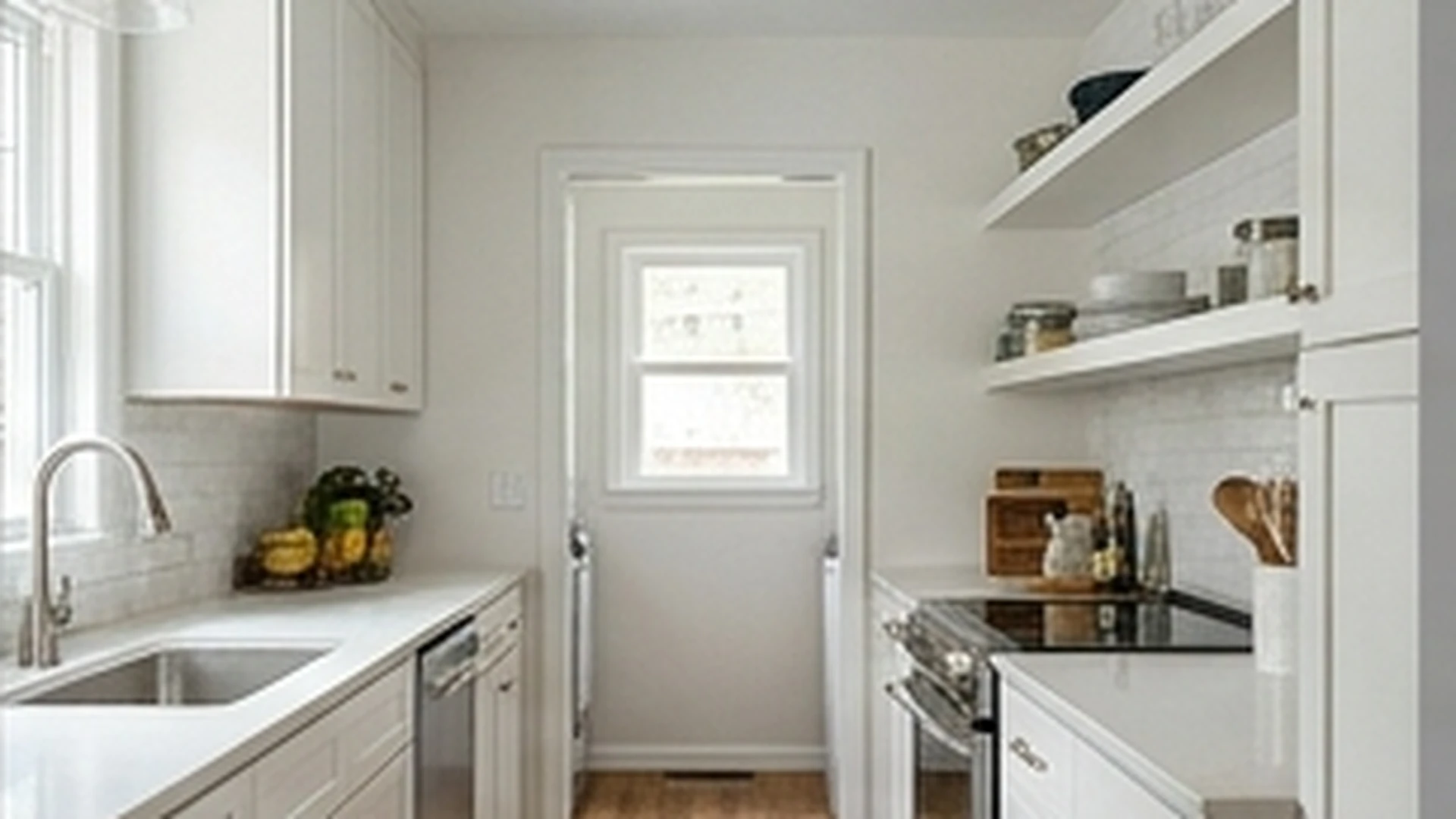
03Compact Layouts: Storage-First DesignTownhome kitchens in Frederick — particularly in communities like Urbana, Downtown Frederick, and Ballenger Creek — are often galley or L-shape layouts with limited square footage. Design in these kitchens focuses on maximizing storage efficiency: drawer bases instead of door-and-shelf lower cabinets, ceiling-height upper cabinets, and pull-out pantry units where there's wall space at the end of a run.
Staging and Material Storage in a Townhome
Townhome kitchen remodels don't have a garage or shed for material storage. Cabinets and countertop materials need to be staged inside the unit or delivered the day they're needed. We plan material delivery to minimize the amount of time materials are stored inside the unit and to ensure deliveries don't block common walkways or violate HOA community rules about delivery vehicles in parking areas.
Range Hood Exhaust in Townhomes
Ducted range hood exhaust in a townhome requires a path to the exterior — typically through an exterior wall. In end-unit townhomes, this is straightforward. In interior units, the exhaust duct needs to route through the unit to the exterior, which may require going up through the roof or finding another path. Some townhome communities prohibit roof penetrations. We assess the available duct routes before committing to a ducted hood in an interior townhome unit; recirculating may be the only viable option in some cases.
Noise and Scheduling Considerations
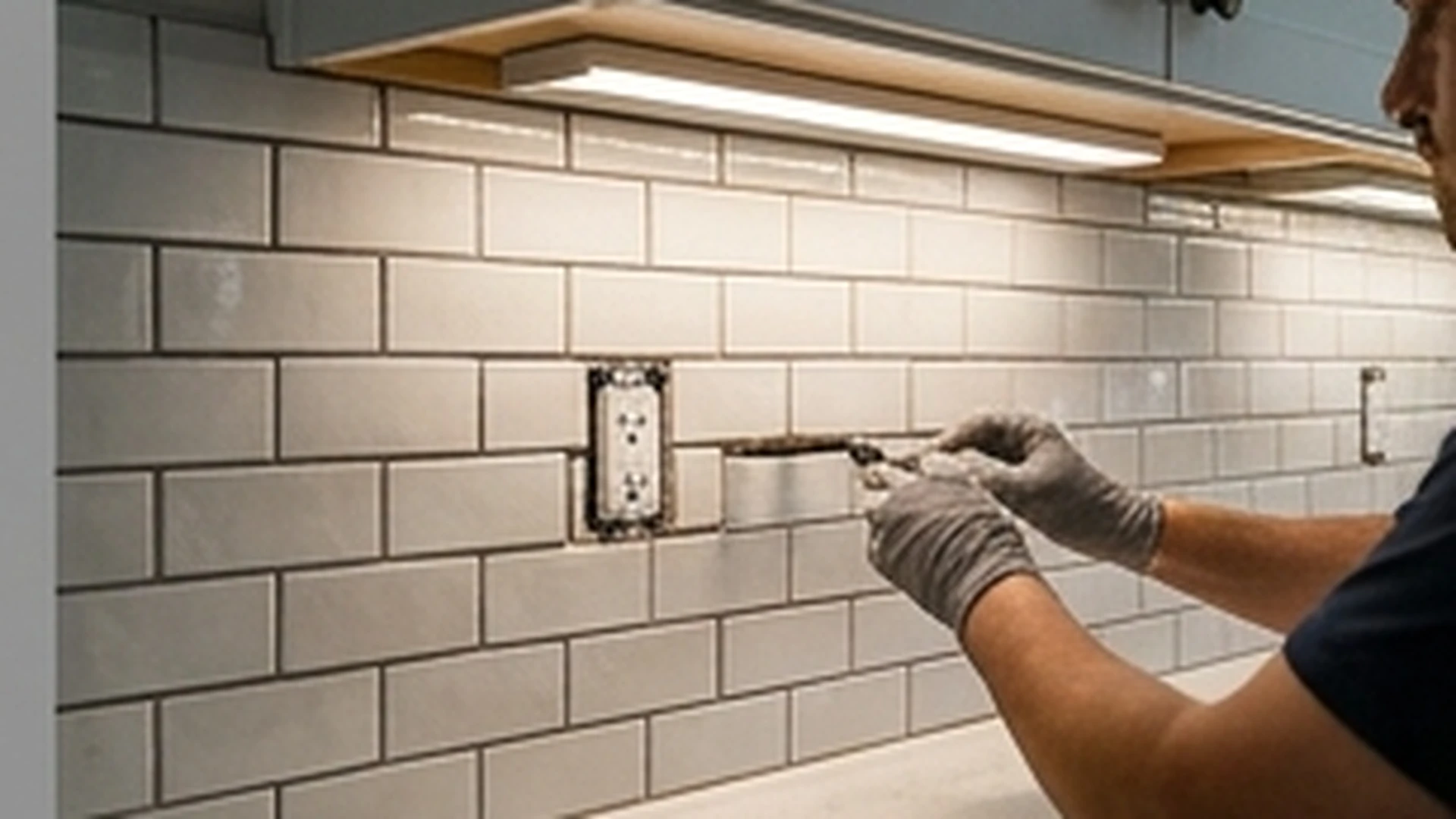
Kitchen demo in a townhome — tile chipping, cabinet removal — generates noise that the shared wall transmits to the adjacent unit. Most HOA rules permit work between 8 AM and 5 PM or 7 AM and 6 PM on weekdays. Scheduling the noisiest work (demo, tile cutting) for midday rather than first thing in the morning or late afternoon reduces neighbor friction. We discuss scheduling considerations with the homeowner before work begins.
Countertop Delivery Access
Stone and quartz countertop sections for townhomes are heavy — a typical kitchen countertop run in several pieces can weigh 300-500 pounds total. Delivery requires clear access from the street to the kitchen, and some townhome layouts require navigating stairs. We confirm access dimensions and stair presence before scheduling countertop delivery, and coordinate with the fabricator to ensure the installation crew has the appropriate team size for the access conditions.