01GFCI Protection Is Maryland CodeAll countertop receptacles within 6 feet of a kitchen sink require GFCI protection under Maryland residential electrical code. This requirement applies to any kitchen electrical work — if outlets are being added or replaced in a kitchen remodel, they must meet current code. Existing non-GFCI outlets in older kitchens are not grandfathered — any work in the kitchen that involves the electrical system brings that work to current code requirements.
02Dedicated Circuits for Major AppliancesRefrigerators, microwaves, dishwashers, and garbage disposals each require dedicated circuits in modern kitchens — circuits that serve only that appliance with no other outlets sharing the load. Electric ranges require a 240-volt dedicated circuit. Older kitchen wiring that runs all these loads on shared 15-amp circuits is a fire hazard and prevents adding higher-draw appliances. Panel capacity assessment confirms whether new circuits can be added without upgrading the panel.
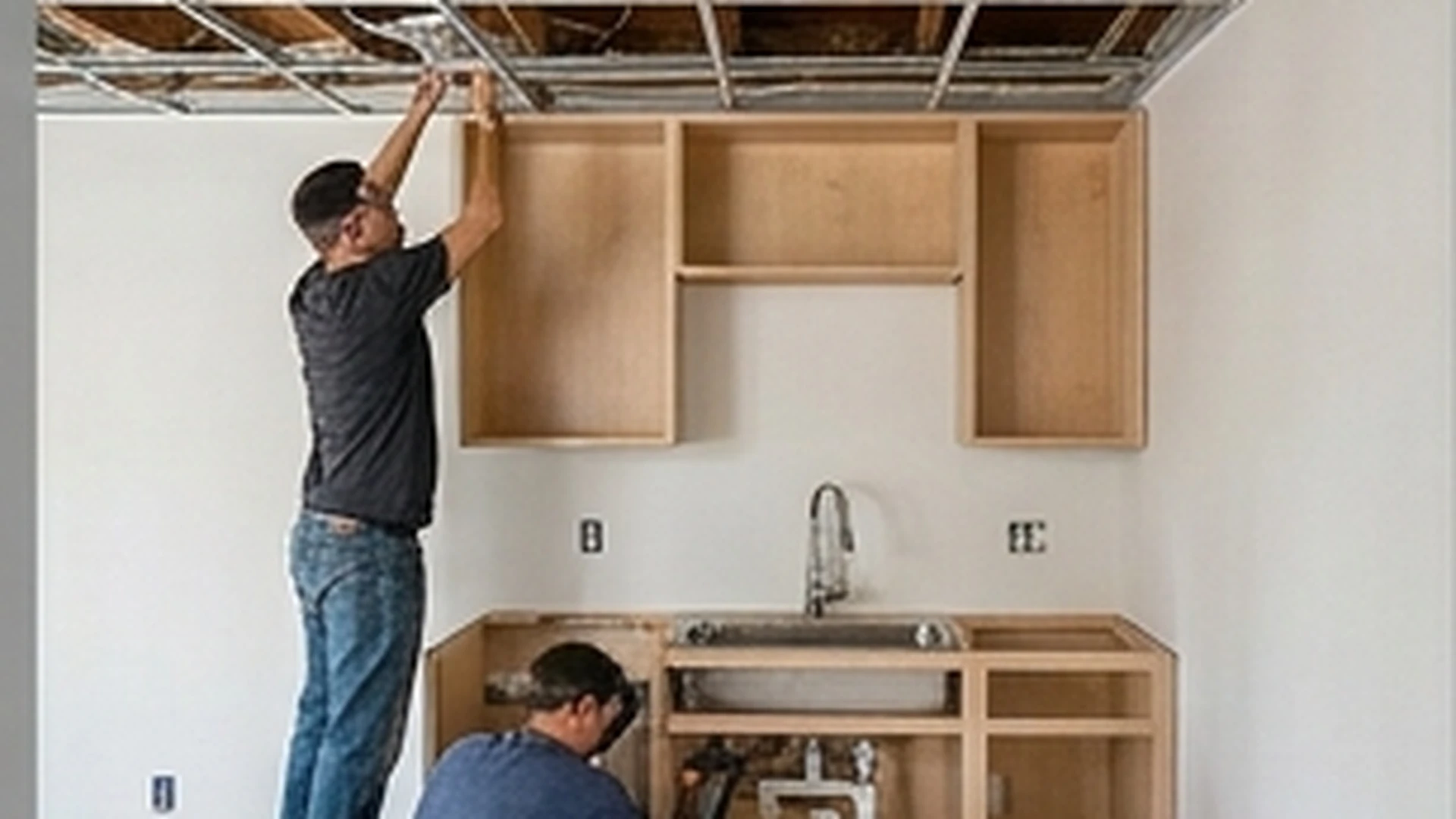
03Electrical Before DrywallIn a kitchen remodel, all electrical rough-in — new circuit runs, outlet repositioning, recessed light boxes — happens before drywall is installed. The rough-in is inspected by Frederick County before drywall closes over the work. Trying to add circuits after drywall requires cutting walls and fishing wire, which adds significant time and cost compared to planning the electrical during rough-in.
GFCI: Outlet vs. Breaker Type
GFCI protection can be provided at the outlet itself (a GFCI receptacle with test/reset buttons) or at the circuit breaker (a GFCI breaker that protects all outlets on the circuit). Outlet-type GFCI is less expensive per location; breaker-type GFCI protects the whole circuit from a single point. For kitchen countertop circuits, either method meets code. Breaker-type makes sense when multiple outlets are on a circuit and the panel is being upgraded anyway. Outlet-type is practical for standalone outlet replacements.
Panel Capacity in Older Frederick Homes
Many older Frederick homes — particularly those built in the 1960s and 70s — have 100-amp or 150-amp panels that were adequate for the original electrical load but are near capacity with current household needs. Adding the 2-3 new dedicated circuits that a modern kitchen requires sometimes requires upgrading the panel to 200-amp service. This adds cost but is sometimes the only option. We assess panel capacity before scoping kitchen electrical work so the full cost is known upfront.
Knob-and-Tube in Frederick Kitchens
Pre-1940 Frederick homes sometimes have knob-and-tube wiring that was never replaced. Knob-and-tube is ungrounded and can't be extended with modern wire under current code. A kitchen remodel in a home with knob-and-tube in the kitchen circuit requires replacing the kitchen circuits entirely, not just adding to them. This is an additional cost; it's also work that eliminates an unsafe and uninsurable condition. Insurance companies increasingly require knob-and-tube to be removed before issuing or renewing homeowner's policies.
240V Circuits for Electric Ranges and Ovens
An electric range or wall oven requires a dedicated 240V, 50-amp circuit — a two-pole breaker occupying two slots in the panel, with 6-gauge wire running to the range outlet. Many older Frederick kitchens have a 240V range circuit already, but older circuits may be 40-amp (insufficient for newer high-draw ranges) or using wire gauges that don't match current requirements. We assess the existing range circuit condition before planning the kitchen electrical scope.