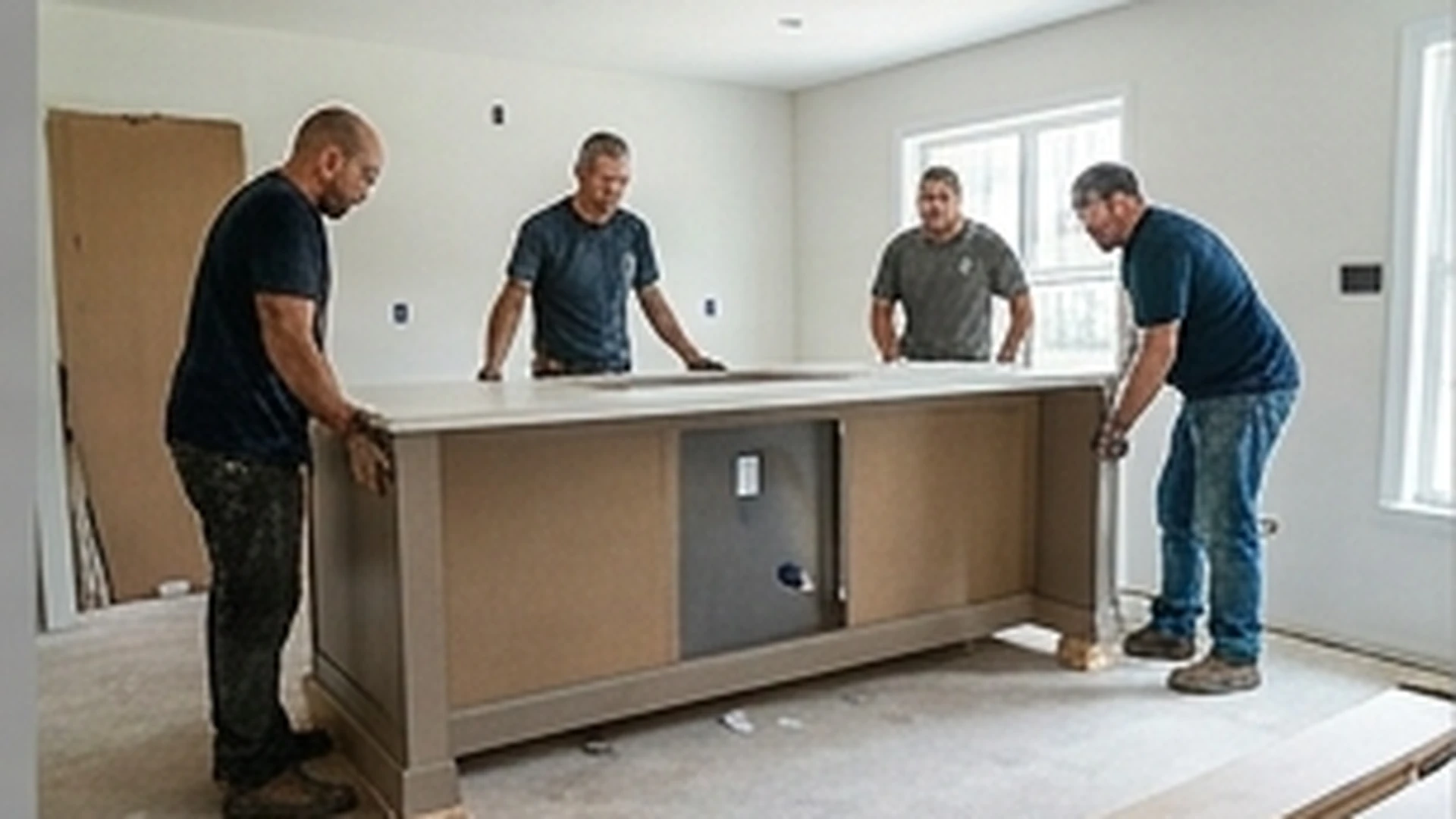
Cabinet refacing in Frederick

Cabinets & Storage

Cabinet Refacing in Frederick, MD

Replace the doors, drawer fronts, and visible surfaces while keeping the existing cabinet boxes. Cabinet refacing in Frederick makes sense when the box structure is solid but the look is dated — it costs less than full replacement and takes less time.

01What Refacing Changes

Cabinet refacing replaces the doors, drawer fronts, hinges, and hardware. The exposed ends and face frames are covered with matching veneer or thermofoil. The box, shelves, and interior stay in place. The result is a kitchen that looks like the cabinets were replaced without the cost of pulling everything out and starting over.

02When Boxes Are Good Enough

Cabinet refacing makes sense when the existing boxes are solid — no water damage in the base cabinets under the sink, no delamination on the box interiors, no significant racking or structural failure. If the boxes are damaged or the layout needs to change, refacing won't fix the underlying problem. We assess the boxes before recommending refacing.

03Layout Stays the Same

Cabinet refacing keeps every cabinet where it is. The sink stays in the same location. The refrigerator opening doesn't change. Refacing is a cosmetic upgrade, not a redesign. If the kitchen layout is the problem, refacing won't fix it. If the layout works but the finish is dated, refacing is the right scope.

Frederick Cabinet Refacing

Refacing vs. Replacing: How to Decide

The decision between refacing and replacing comes down to two things: box condition and layout. If the existing boxes are structurally sound and the cabinet layout works for the household, refacing delivers most of the visual impact of new cabinets at a fraction of the cost and with less disruption. If the layout needs to change or the boxes have water damage, structural damage, or inadequate storage configuration, replacement makes more sense.

How Cabinet Refacing Works

Cabinet refacing begins with removing all existing doors, drawer fronts, and hinges. The face frames (the solid wood or MDF frames on the front of each box) are cleaned and then covered with peel-and-stick or bonded veneer that matches the new door finish. Door and drawer fronts are ordered to match the new door style and finish. New hinges, often soft-close, are installed. New hardware is installed last.

The cabinet interior — shelves, boxes, and sides — stays in place. Any exposed ends of the cabinet run (side panels visible at the edge of a run) are also covered with matching veneer. The completed refacing project produces cabinets that look new from the front, with the same layout and interior storage as before.

What Refacing Includes

  • New cabinet doors and drawer fronts in the selected style
  • Veneer on face frames and exposed cabinet ends
  • New hinges (typically soft-close upgrade)
  • New hardware if replacing (pulls, knobs)

What Refacing Doesn't Include

  • Interior shelves or box construction changes
  • Layout changes — cabinets stay where they are
  • Adding new cabinet units (those would be replacements)
  • Fixing structural damage in the existing boxes
The Refacing Process

Cabinet Refacing Timeline

1

Assessment

Existing boxes inspected for water damage, delamination, and structural condition. Door dimensions measured. New door style and finish selected.

2

Material Order

Doors and drawer fronts ordered. Veneer selected to match door finish. Lead time typically 2-4 weeks for standard door styles.

3

Face Frame Prep

Existing doors and hardware removed. Face frames cleaned and prepped. Veneer applied and trimmed.

4

Door and Hardware Installation

New doors hung and adjusted. Drawer fronts installed and aligned. New hardware installed. Kitchen back in service same week.

Door Style Options for Refacing

Cabinet refacing supports most standard door styles: shaker (five-piece with center panel), flat panel (slab), raised panel, and beaded inset profiles. Thermofoil doors (MDF with a heat-formed vinyl film) are common in refacing because they're stable and available in a wide range of colors including white, off-white, and grey — popular in kitchen updates. Solid wood doors are also available for traditional kitchens.

Combining Refacing and New Additions

It's possible to reface most existing cabinets while adding a new unit or two — a pantry cabinet that was previously open space, a new base cabinet to fill a gap, or a small upper unit where there was none. The new unit is ordered in the same door style as the refacing doors so the kitchen looks consistent. This approach adds storage while keeping the bulk of the budget on cosmetic updates to the existing cabinets.

Countertop Timing with Refacing

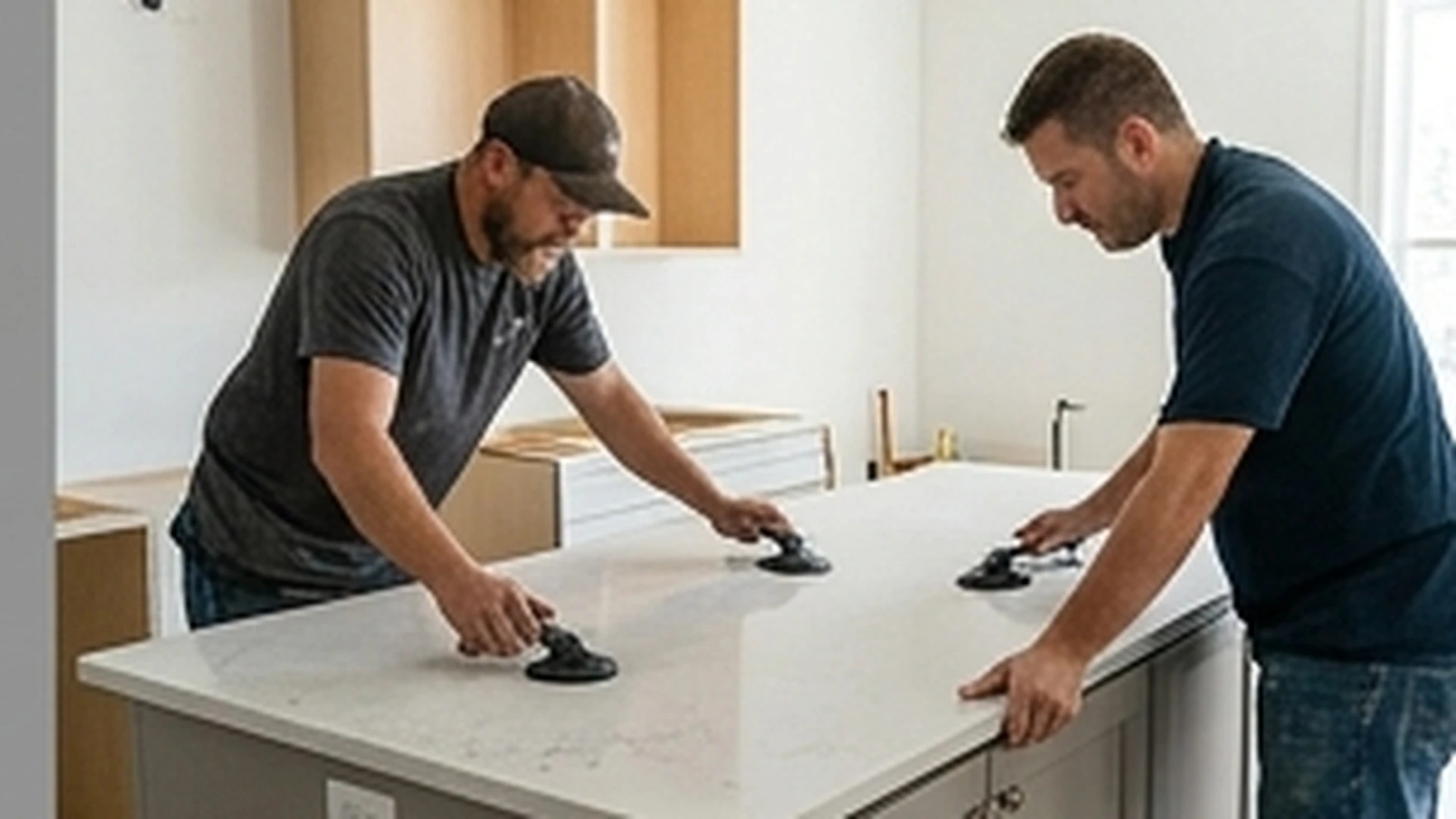
Cabinet refacing doesn't disturb the countertops — the countertops stay in place while the face frames are veneered and the new doors are hung. If new countertops are being added at the same time as refacing, the sequence is: reface cabinets, template countertops, install countertops. The refacing is done first because new countertops are installed against the finished cabinet face. Doing it in the wrong order creates seam and caulk problems at the countertop-to-cabinet joint.

Under-Sink Cabinet Condition

The base cabinet under the sink is the most common place to find water damage in a kitchen. Years of slow leaks from supply lines, the drain P-trap, or the garbage disposal can soften or delaminate the bottom of the cabinet box. A refacing project on a sink base cabinet with a deteriorated box bottom needs the box repaired or replaced before the new door is hung. We assess this during the pre-refacing walkthrough so there are no surprises on installation day.
Frederick Cabinet Refacing

Find Out If Your Cabinets Are Good Refacing Candidates

We'll assess the boxes and give you a straight comparison between refacing and replacing.

Request An Assessment

Cabinet Refacing Questions

How much does cabinet refacing cost compared to replacement?

Cabinet refacing typically costs 40-60% less than full cabinet replacement for the same kitchen. The savings come from not purchasing new cabinet boxes, not demoing and disposing of existing boxes, and less installation time. The cost of refacing includes new door and drawer front materials, veneer, hinges, and installation labor. If the countertops and hardware are also being replaced at the same time, those costs add to both scenarios equally.

How long does cabinet refacing take?

Once the doors and materials are in hand, cabinet refacing installation typically takes 2-4 days for a standard kitchen. The kitchen remains partially functional during refacing because the boxes stay in place — the doors are off during installation, but the cabinets, countertops, and appliances don't move. Most homeowners can use the kitchen minimally during the refacing process.

Can I change the paint color of my cabinets instead of refacing?

Yes, cabinet painting is an alternative to refacing when the door style is still acceptable and only the finish color needs to change. Cabinet painting requires proper surface prep, primer, and a finish coat with adequate dry time between coats. It costs less than refacing if only the color is changing. Refacing makes more sense when the door style is dated — painting existing raised panel doors a new color doesn't change the door profile to a more contemporary shaker style.

Related Cabinet & Storage Services