01The Work Triangle Still MattersThe relationship between the sink, refrigerator, and range determines how the kitchen functions during cooking. The total work triangle distance should be between 13 and 26 feet in most kitchen layouts. Placing all three within two feet of each other creates crowding; placing them too far apart creates excessive movement. Layout planning confirms the triangle before cabinets are ordered.
02Every Decision Has a Downstream EffectCabinet depth affects countertop overhang. Countertop material affects backsplash height. Backsplash height affects outlet placement. Outlet placement affects which circuits need to be run. The decisions chain together — changing one mid-project triggers changes in several others. The planning phase maps all these dependencies before work starts.
03Permit Requirements in Frederick CountyKitchen remodels that move plumbing, add circuits, or touch structural elements require permits. Permit applications require scope documentation and sometimes drawings. Permit processing in Frederick County typically takes 2-4 weeks. The planning phase identifies which permits are needed and gets applications in before work is scheduled, so permits don't hold up the project.
What Kitchen Remodel Planning Covers
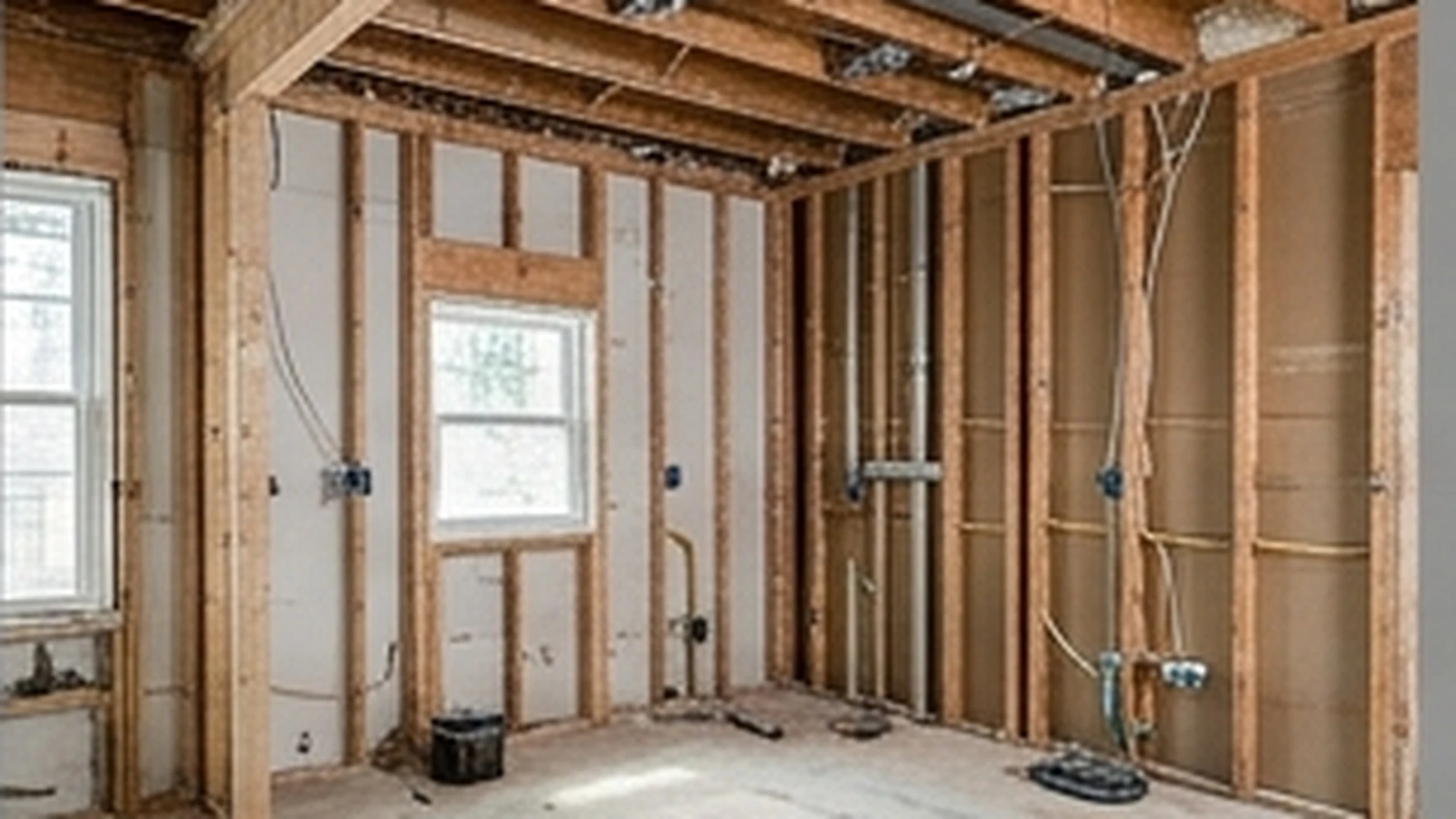
Kitchen remodel planning begins with an accurate set of measurements — not the builder's plan dimensions, which are often approximate. Every wall, window, door, electrical panel, plumbing stack, and ceiling height gets measured. From those measurements, cabinet layouts are drawn to confirm what fits, where fillers are needed, and whether the work triangle is functional.
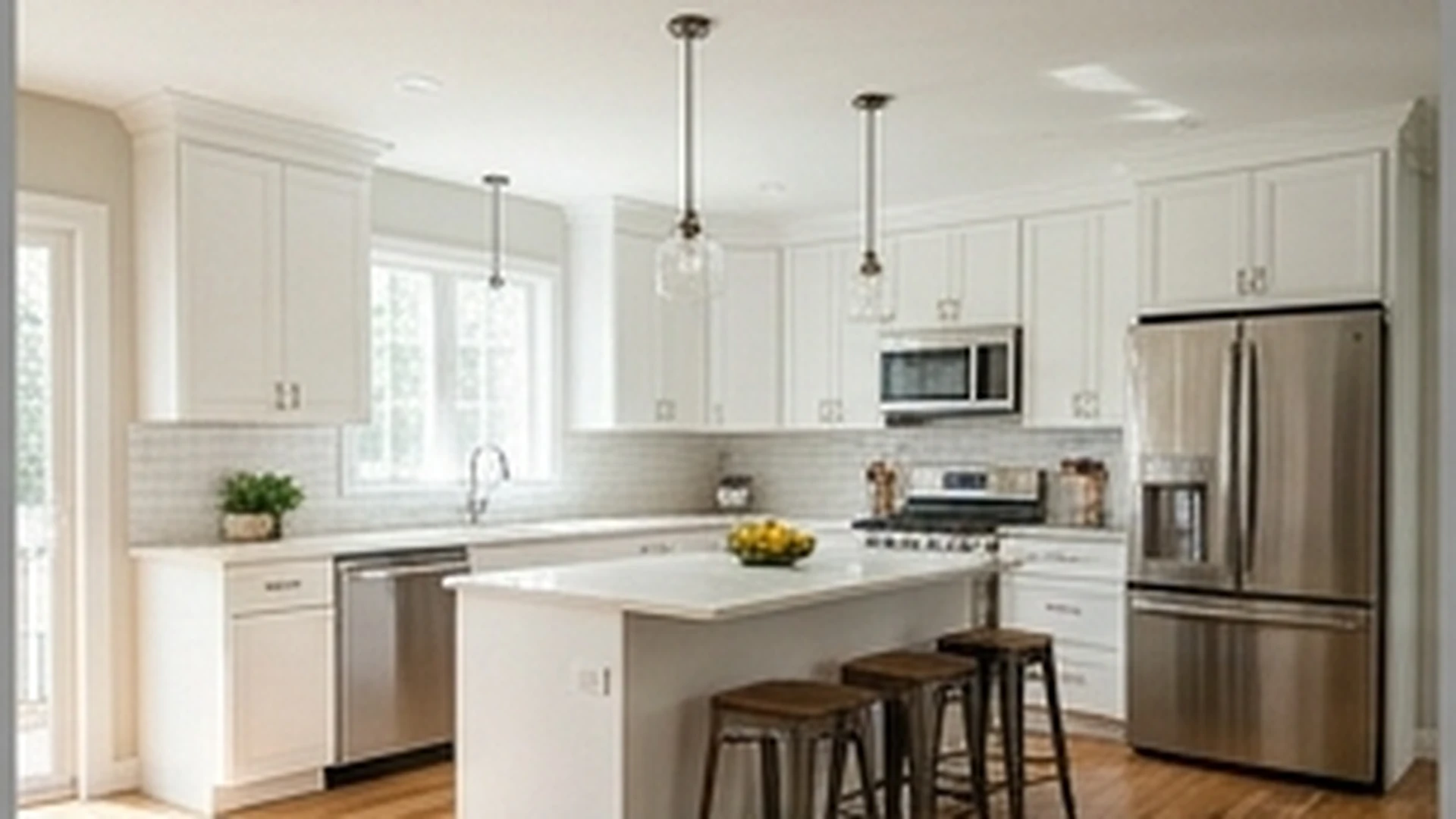
Material selections follow: cabinet door style and finish, countertop material with edge profile, backsplash tile with grout color, flooring material, paint color, lighting fixtures, faucet, hardware. These selections are made in the planning phase with actual samples, not from a website. The finished selection set is documented so nothing needs to be re-decided during installation.
What Gets Decided in Planning
- Cabinet layout, sizes, and any special storage features
- Countertop material, edge profile, and sink cutout position
- Backsplash tile pattern, layout, and grout
- Lighting plan: fixture types, locations, dimmer zones
What Gets Sequenced in Planning
- Trade sequence: who does what, in what order, on what timeline
- Permit applications submitted so approvals arrive before demo starts
- Material orders placed with lead times mapped to installation dates
- Appliance delivery scheduled to arrive when the cabinets are ready
Measuring Before You Design
Cabinet layouts drawn from inaccurate measurements produce problems at installation. An upper cabinet run that's planned at 142 inches that's actually 138 inches between walls requires either a filler or a resized cabinet. Measuring from the actual room, not the builder's plan, before drawing cabinet layouts prevents these problems. We take measurements at the planning visit before any drawings are produced.
The Selection Package
The output of the planning phase is a complete selection package: every material specified with manufacturer, product number, finish, and quantity. This package serves as the order list, the installer reference, and the budget confirmation. When the selection package is complete, there should be no open questions about what gets installed. Changes after the selection package is finalized cost more — not because we want to charge for changes, but because some materials are already ordered or cut.
Permit Planning in Frederick County
Frederick County permit applications for kitchen remodels require a scope description and, for structural or significant plumbing/electrical work, drawings or diagrams. The planning phase identifies which permits are required, prepares the application documentation, and submits early enough that permit approval arrives before demolition is scheduled. This avoids the common pattern of starting demo and then waiting 3-4 weeks for a permit to arrive.
What to Bring to the Planning Visit
It helps to have: photos of kitchens you like (even from websites or magazines), photos of what you want to change in the current kitchen, and an honest sense of how you use the kitchen — how many people cook simultaneously, whether you entertain frequently, what appliances you use daily. This context shapes the layout recommendations and material selections in ways that produce a kitchen suited to your household, not a generic version of the current trends.